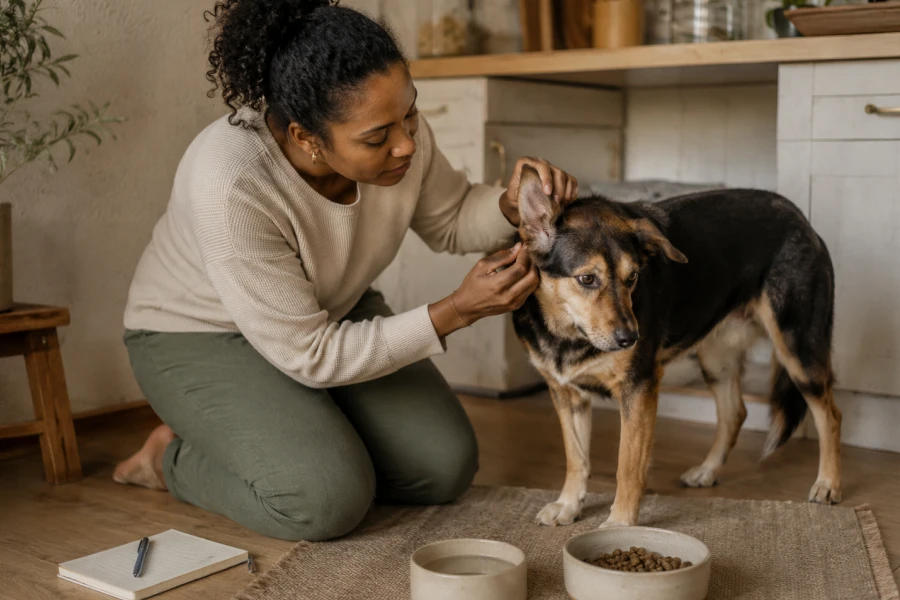
Changes after meals can leave dog owners with many questions. Dog food allergy symptoms are worth noticing without jumping to conclusions. Skin irritation, digestive changes, and recurring discomfort can have several causes. Consistent food sensitivity tracking gives those questions a clearer starting point. Begin by observing what happens and when it happens. Keep notes that are simple enough to maintain. Avoid changing everything at once when you are searching for patterns. A vet can help evaluate concerns and rule out other explanations. Careful observation supports better conversations and calmer choices. The goal is clarity, not a rushed label.
Start by writing down changes as they appear. Note meals, treats, supplements, and anything unusual in the day. Include the timing of skin, ear, stool, or behavior changes. A complete picture often reveals more than memory alone. Keep your notes neutral and factual. Avoid assuming that the newest food is always responsible. Some patterns develop slowly and may need professional evaluation. Your veterinarian can help decide which details matter most. A clear timeline makes appointments more productive. It also prevents important clues from getting lost between busy days.
A notebook, phone note, or printable tracker can work well. What matters is recording details soon after you notice them. A consistent symptom diary for dogs helps turn scattered observations into something useful. Include food names, portions, treats, and household changes. Write down grooming products or seasonal factors too. Those details may help your veterinarian see the fuller context. Keep entries brief so the system remains sustainable. Regular notes are more valuable than complicated notes used once. Over time, the record can make patterns easier to discuss. Small details often become meaningful when reviewed together.
Food is only one possible factor behind recurring discomfort. Environmental triggers, parasites, infection, stress, and other conditions may look similar. That is why diagnosis belongs with a qualified veterinary professional. Still, knowing about common dog food triggers can help you ask better questions. Avoid internet shortcuts that promise a quick answer. Instead, bring your observations to the appointment. Your veterinarian may recommend a structured next step. That plan should fit your dog’s history and current health. Thoughtful care begins with curiosity, not certainty. A measured approach protects your dog from unnecessary changes.
It is easy to feel overwhelmed when symptoms repeat. Try to separate urgent concerns from useful routine observations. Contact a veterinarian promptly when your dog appears seriously unwell. For ongoing questions, keep your tracking system calm and practical. Write down what you see without judging every meal. Avoid introducing several new foods in the same week. Give your care team a stable picture of what is happening. Consistency makes comparisons much easier. Your notes can reduce guesswork rather than increase anxiety. The process becomes more manageable when each step has a purpose.
Before a veterinary visit, review your notes and identify the clearest patterns. Ask which details could point toward food-related concerns. Bring packaging photographs or written ingredient lists when useful. A careful ingredient label review can also prevent accidental omissions from your history. Mention treats, table scraps, chew products, and flavored medications. Those items can matter during a diet discussion. Ask what changes should happen first and why. Clarify how long a trial period may need to last. Good questions turn vague worry into an organized plan. Clear communication keeps everyone focused on your dog’s well-being.
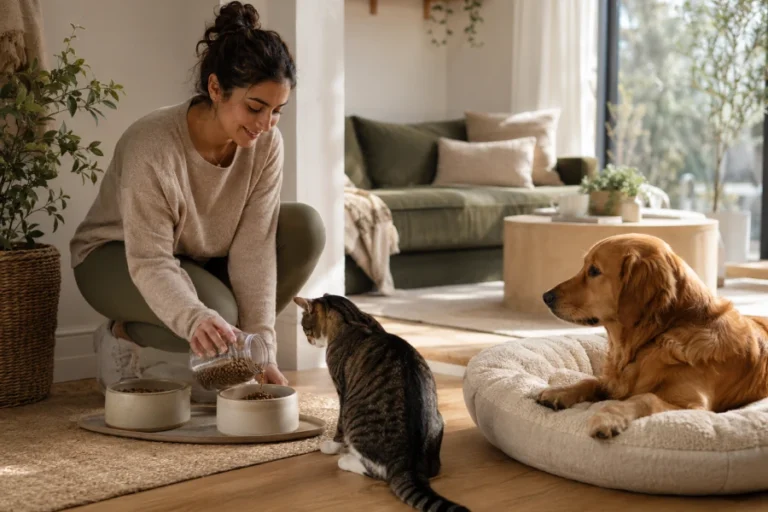
Long-term care is easier when it becomes part of normal routines. Keep records current without letting them take over daily life. Follow veterinary instructions closely when a formal diet trial begins. Share observations with everyone who feeds or treats your dog. This prevents mixed information and accidental food changes. Make one adjustment at a time whenever your veterinarian recommends it. Revisit the plan if symptoms change or new concerns appear. Patience matters because clear answers can take time. A calm, structured response protects both your dog and your peace of mind. Better decisions become possible when care stays consistent.


Leave a comment