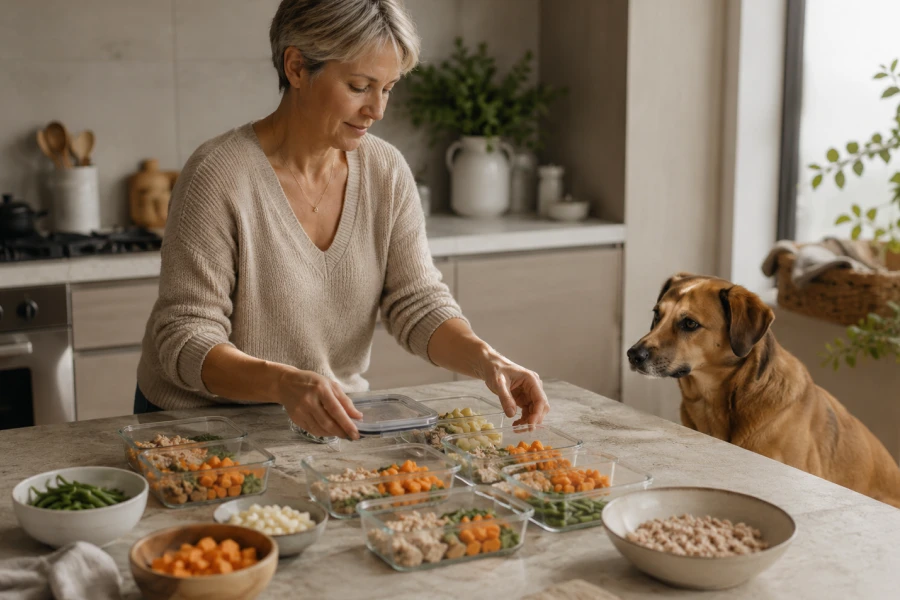
Food routines feel easier when every choice has a clear place. Hypoallergenic dog meal planning can bring order to an uncertain feeding season. It is most useful when built alongside veterinary advice. Steady hypoallergenic feeding habits reduce the chance of accidental changes. Start by deciding who feeds your dog and when. Keep approved food, treats, and notes together. Avoid complicated systems that become hard to follow. A practical plan should work on busy mornings too. That reliability makes it easier to notice meaningful changes. Structure can make dog nutrition feel much less stressful.
Write down the meals your dog is currently approved to eat. Include portions, timing, and any recommended extras. Keep this information visible for every caregiver. A simple chart can prevent someone from guessing. Store approved products together whenever possible. Put away old foods that no longer belong in the routine. This lowers the chance of grabbing the wrong bag in a rush. Keep serving tools clean and easy to identify. Simple systems make feeding easier during busy days. Clear choices create a steadier routine for your dog.
Your storage space can either support consistency or create confusion. Start with one area for food, treats, supplements, and records. An organized allergy-safe pantry makes approved options easier to find. Use simple containers or labels that household members understand. Keep non-approved foods out of your dog’s reach. Check visitor bags and children’s snack areas when necessary. Make sure anyone helping with care knows the current plan. This is not about being restrictive for its own sake. It is about keeping the feeding system understandable. An organized space makes good choices feel automatic.
Consistency matters more than making every meal feel exciting. Follow the schedule and portions your veterinarian recommends. Keep notes when something changes unexpectedly. A reliable dog nutrition log can show whether the routine stayed on track. Record treats, missed meals, and accidental extras as honestly as possible. That record helps your care team understand the bigger picture. Avoid adding products simply because they sound gentle or natural. Ingredients still matter, even in small quantities. A steady meal pattern creates better information over time. It also makes the household routine easier to repeat.
Life changes, and feeding plans sometimes need adjustments. Travel, boarding, supply delays, or schedule shifts can complicate routines. Prepare for those moments before they become urgent. Keep an approved backup option when your veterinarian recommends one. Pack measured meals before leaving for longer days. Share written feeding details with trusted caregivers. Do not make last-minute substitutions without asking for professional advice. A flexible plan still has clear boundaries. The goal is to adapt without losing the information you need. Good preparation makes unexpected days much easier.
Travel feeding works best when it copies familiar routines. Pack enough approved food for the full trip plus extra. Bring the same bowl, scoop, and rewards your dog recognizes. Ask your veterinarian which questions matter before longer travel. Clear veterinary nutrition questions can help you prepare for changes away from home. Keep food secure and out of reach of other pets. Avoid sharing snacks during stops or social visits. Maintain your usual schedule whenever practical. Familiarity can reduce uncertainty for both dogs and people. Good travel planning protects the routine you have worked hard to build.
Over time, a clear feeding routine becomes easier to manage. Your household learns which details matter and why. Keep communication open with your veterinarian as needs change. Review your system after any new symptoms or life changes. Update written instructions when a new caregiver becomes involved. Do not assume old notes still match current recommendations. A few minutes of review can prevent weeks of confusion. Good planning is not about perfection or control. It is about helping your dog receive consistent, appropriate care. The right routine gives you a calmer foundation for future decisions.




Leave a comment