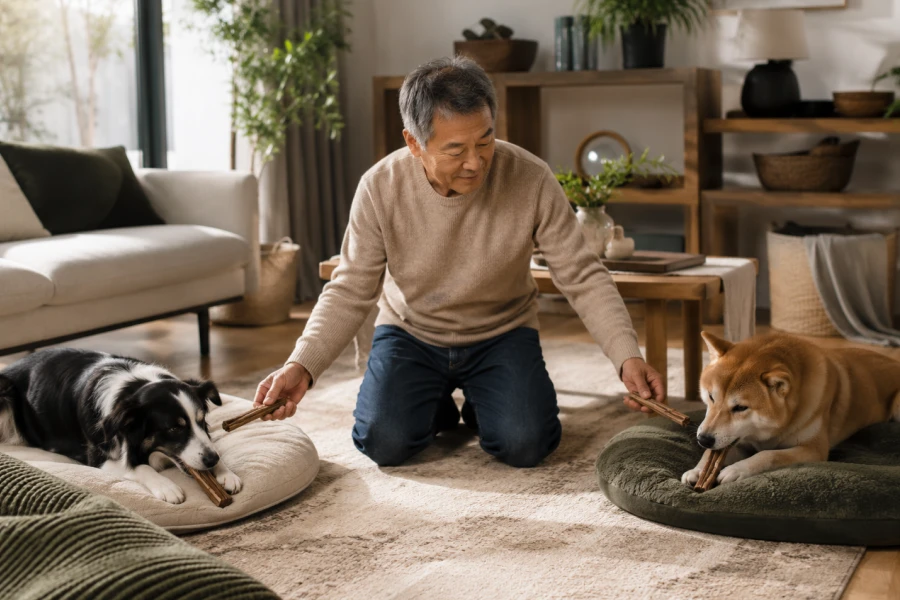
Competition can appear around food, toys, beds, doorways, or attention. Pet resource guarding prevention starts by noticing these pressure points early. The goal is not to blame a pet for communicating discomfort. Instead, build a home where animals have fewer reasons to compete. Thoughtful resource sharing support can make daily routines feel safer for everyone. Watch for stiff posture, hovering, rushing, or blocking behavior. Take those changes seriously before a bigger conflict happens. Management is often kinder than waiting for animals to sort it out. A clear plan protects the relationship between pets. It also gives every animal more room to relax.
Begin by identifying which resources create the most tension. Food bowls and treats are common starting points. However, beds, toys, people, and hallway access may matter too. Set up the environment so pets do not need to compete. Feed animals separately when shared meals feel stressful. Provide more resting spots than pets in the household. Keep high-value items available only during supervised time. Create easy routes around tight spaces. A thoughtful environment reduces pressure before behavior escalates. Prevention works best when it starts before conflict appears.
Pets communicate discomfort in small ways before bigger reactions happen. Watch for staring, sudden stillness, blocking, or moving away quickly. Do not punish warning signals, because they provide useful information. Instead, change the situation that created pressure. Offer separate pet enrichment so every animal can enjoy activity without interruption. Rotate toys and chews when pets need more space. Keep play sessions short and easy to end. Give pets a chance to decompress after exciting moments. Calm management helps animals trust the household setup. Your response can lower tension before it becomes a pattern.
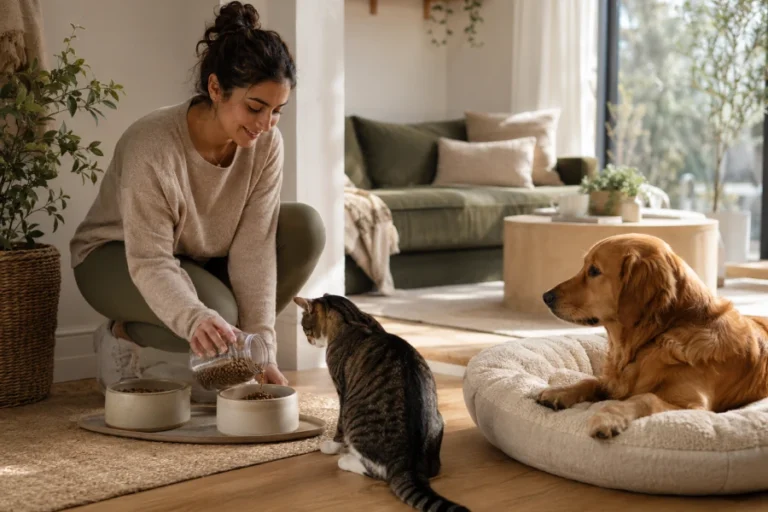
Every pet should have access to individual resources. That may include separate food areas, beds, crates, or quiet rooms. Give pets enough distance to enjoy valuable items comfortably. Do not insist they share simply because they live together. Separate options reduce the need for constant monitoring. Use barriers when you cannot supervise closely. Keep family members aware of each pet’s sensitive situations. Structure protects everyone while new habits develop. More choice can lead to fewer confrontations. A well-managed home feels safer for every animal.
Prevention belongs in ordinary moments, not only in crises. Plan arrivals, meals, treats, and rest periods with space in mind. Use pet conflict prevention practices before giving out high-value items. Call pets to separate locations when serving food. Avoid creating a crowd around one person or one toy. Keep greetings low-key when everyone returns home. Teach pets that waiting can lead to good outcomes. Reward relaxed choices with calm, predictable attention. Small daily habits become powerful over time. Routine structure can prevent many avoidable disagreements.
Fast reactions can make tense moments feel even bigger. Move slowly and create distance when you notice rising stress. Avoid reaching into conflict or forcing pets closer together. Use simple cues only when animals can respond comfortably. Keep your voice calm and your body language neutral. If behavior feels unsafe or escalates, contact a qualified behavior professional. Early professional support can protect both pets and people. Do not wait for a serious incident to ask for help. The safest plan is always the one that respects the animals involved. Calm management is an active skill, not doing nothing.
Keep track of which changes make your home feel calmer. A simple multi-pet behavior tracking note can reveal useful patterns over time. Record what happened before tension appeared and how the pets recovered. This helps you see whether the environment needs another adjustment. Share the plan with everyone who cares for your pets. Consistency matters when several people manage meals or play. Review the system after new pets, schedule changes, or household stress. Small updates can keep old issues from returning. The goal is a home where pets have less to defend. Better routines make peaceful choices easier every day.


Leave a comment